When you first start planning your wedding, it can feel like everything needs to happen at once. Finding a wedding venue, making a guest list, hiring vendors, and creating a budget–it all starts to blur together quickly.

The truth is, wedding planning doesn’t have to feel overwhelming. It just needs the right structure.

A thoughtful timeline helps you focus on the right decisions at the right time, so you’re not trying to solve everything all at once. It also gives you space to actually enjoy the process, instead of feeling like you’re constantly playing catch-up.

If you’re planning a wedding in St. Augustine, that structure matters even more. Travel logistics, seasonal demand, and venue availability can all shape your timeline earlier than you might expect.

This guide will walk you through what to focus on at each stage, so you can move through the process with clarity, confidence, and a lot less stress.

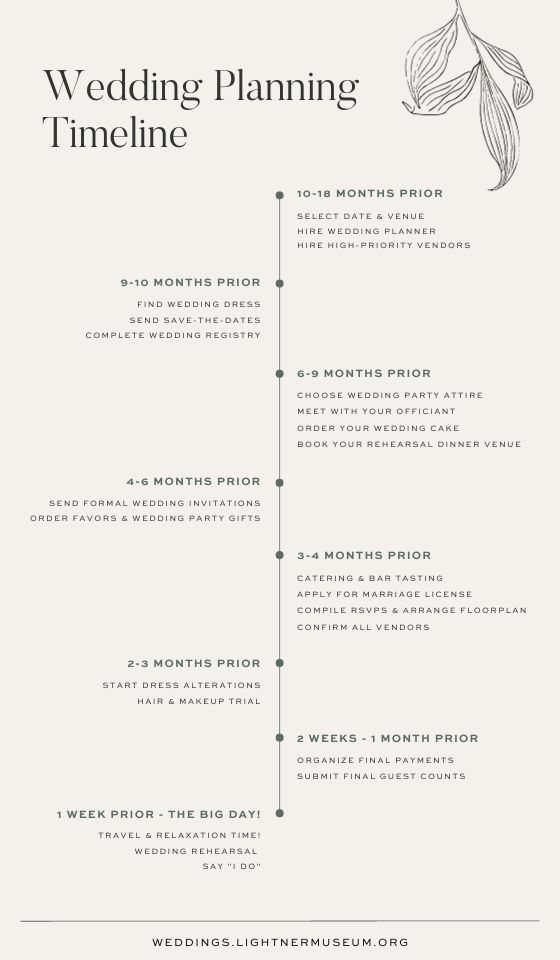
Wedding planning timeline

Pin this timeline for later!

12-24 Months Out: Laying the Foundation

This is where everything begins to take shape.

At this stage, you don’t need to have every detail figured out. What matters most is creating a strong foundation so the rest of your decisions feel easier, not overwhelming. When you focus on the right things first, the entire planning process starts to feel clearer and more manageable.

I. START WITH YOUR BUDGET AND GUEST COUNT

Before you dive into venues or vendor outreach, take a little time to talk through two big-picture decisions: your budget and your guest count.

These don’t have to be exact yet, but they should feel realistic.

Your guest count will influence nearly every part of your wedding, from the type of venue that works best to your catering costs, layout, and overall flow of the day. At the same time, your budget helps guide where to prioritize spending and where you might want to simplify.

It’s also helpful to talk openly about who is contributing financially and what that looks like. Having that clarity early on can make the rest of your planning feel much more straightforward.

II. CHOOSE YOUR LOCATION AND SEASON

Once you have a general sense of budget and guest count, you can start narrowing in on where and when your wedding will take place.

If you’re drawn to St. Augustine, you’re not alone. It’s a destination that naturally lends itself to a full wedding weekend, with historic charm, walkable downtown spaces, and plenty for your guests to explore.

As you think about timing, consider how the season might shape your experience. In St. Augustine, fall through spring tends to be especially popular, which can affect venue availability and hotel pricing. If you have your heart set on a specific time of year or a Saturday date, you’ll want to start exploring options early.

If you’re a bit more flexible, you may find that you have more availability and breathing room in your planning.

III. Secure Your Venue and Date

Choosing your venue is often the moment when everything starts to feel real.

Your venue doesn’t just set the backdrop; it influences how your day flows, how your guests experience the space, and how your overall vision comes together. Once you have your date and venue secured, so many of the other decisions become easier to navigate.

For couples considering the Lightner Museum, this is where the experience begins to take shape in a very tangible way. The historic architecture, grand interiors, and indoor setting create a naturally elevated atmosphere, while still allowing your ceremony and reception to feel cohesive within one location.

As you tour venues, try to picture how your day would actually unfold there, from guest arrival to your final sendoff. That perspective can help you choose a space that not only looks beautiful, but feels right.

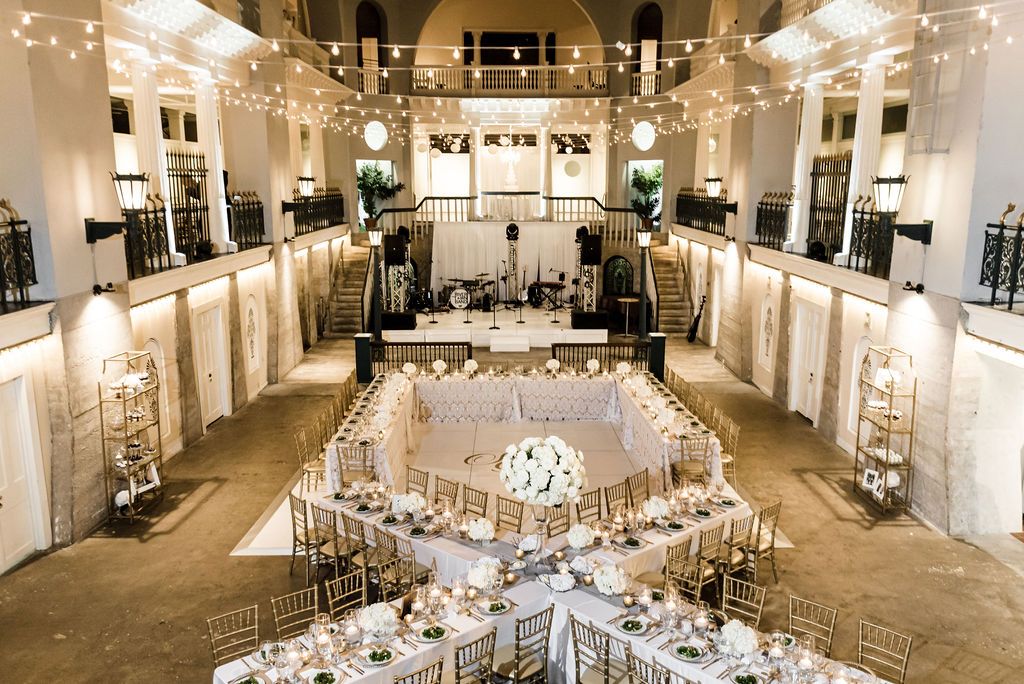
Kayla and Sean's wedding reception at The Lightner Museum

Kayla and Sean’s wedding ceremony in the Historic Pool. | WOJ Weddings

IV. Hire a Professional Wedding Coordinator

As you begin building your vendor team, this is also the time to think about coordination support.

At the Lightner Museum, couples are required to work with a professional wedding coordinator from a curated vendor list for at least day-of coordination. While that might feel like just another decision at first, it’s actually one of the things that helps your wedding day run most smoothly.

Your coordinator becomes the point person for timelines, vendor communication, and behind-the-scenes logistics, so you’re not managing those details yourself. They also work closely with the venue team, which helps everything come together more seamlessly.

From there, you can decide what level of support feels right for you. Some couples prefer to stay hands-on throughout the planning process and rely on their coordinator closer to the wedding, while others choose a more full-service approach for guidance from the very beginning.

Either way, having a professional guiding the flow of your day allows you to be more present and actually enjoy the experience.

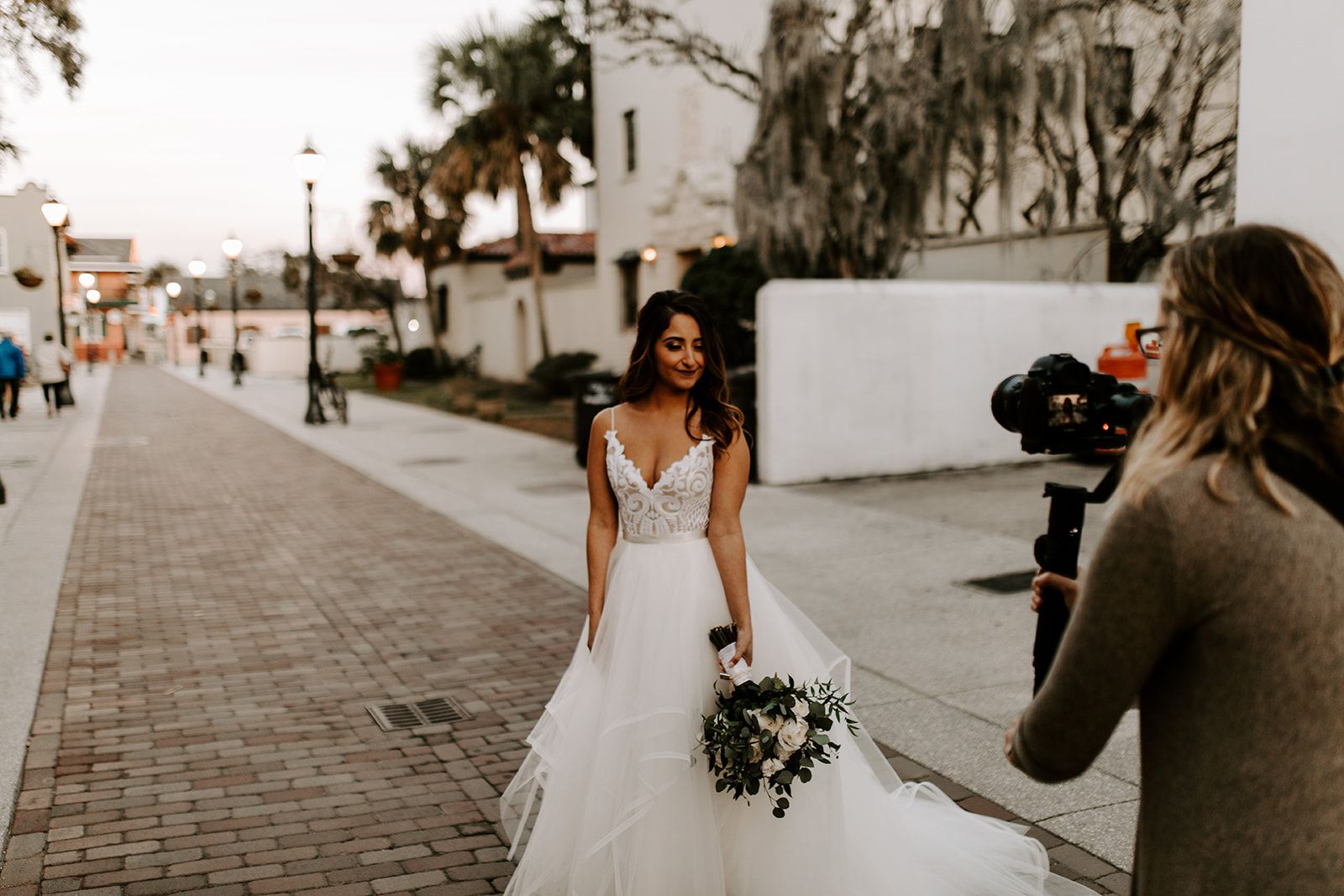
Bride outside of The Lightner Museum

Coastal Celebration’s planner, Lucy, makes sure the bride looks perfect for photos. | Photos by Rob

V. Book Your High-Priority Vendors

Once your venue and date are secured, you can start booking the vendors who are most important to you.

Focus first on the professionals who tend to book up quickly, like photographers, videographers, live musicians, and planners. These are often the vendors who only take on one wedding per day, so availability can become limited sooner than expected.

You don’t need to book everything at once. Instead, think about what matters most to you and move forward with intention. As your vendor team begins to come together, your wedding will start to feel less like an idea and more like something real.

live band at The Lightner Museum

If there is a particular band or live musician you want at your celebration, we recommend booking them early in the wedding planning process. | Ivey Pictures

9–10 Months Out: Building Your Vendor Team and Vision

By now, you’ve made some of the biggest decisions, including your venue, your date, and the overall direction of your wedding.

This is the stage where everything starts to feel more real.

You’re no longer just planning in theory; you’re building the team and details that will bring your day to life.

I. Finalize Your Core Vendor Team

With your venue secured, this is the time to round out the rest of your vendor team.

This often includes your florist, entertainment, hair and makeup team, rentals, and any additional specialists who will shape the guest experience throughout the day.

As you book each vendor, you’ll start to see how everything connects, from the look and feel of your design to the flow of the evening itself. It’s also a good time to reevaluate your budget, since these individual decisions can add up faster than expected.

If something matters most to you, whether that’s music, florals, or overall guest experience, prioritize those vendors first so you can secure the right fit.

II. Begin Shaping Your Wedding Style

Around this point, your vision will likely start to feel more defined.

You don’t need to have every detail finalized yet, but you should begin narrowing in on the overall look and feel of your day, including your color palette, level of formality, and the atmosphere you want to create.

At the Lightner Museum, design often works best when it complements the space rather than competes with it. The historic architecture and natural character of the venue already create a strong visual foundation, which allows your design choices to feel intentional without needing to overcomplicate them.

Maria and Jacob's wedding reception at The Lightner Museum

From classic to colorful, the Historic Pool at the Lightner Museum is the perfect backdrop for any wedding style. | Anna Shastie Photo

III. Create Your Wedding Website and Send Save-the-Dates

This is a great time to set up your wedding website and share your date with guests.

Your website becomes the central place for everything your guests need to know, from your schedule and venue details to travel tips and accommodations. It also allows you to keep your invitations more streamlined, since you won’t need to include every detail in print.

Once your website is ready, you can send your save-the-dates. These give your guests the chance to plan ahead, especially if you’re hosting a destination wedding or inviting people from out of town.

For a wedding in St. Augustine, this step is especially helpful. Many guests will turn your celebration into a full weekend experience, and having your website available early makes it much easier for them to book travel, explore accommodations, and start looking forward to the trip.

Megan and Matthew's save the dates

Megan and Matthew’s save-the-dates for their wedding at The Lightner Museum | Photo: Jay Grubb Photography

IV. Complete Your Wedding Registry

If you haven’t already, this is a good time to put your registry together.

It’s one of those tasks that’s easy to keep pushing off, but much easier to complete now than later. A thoughtful registry gives your guests helpful guidance and ensures that what you receive reflects your lifestyle and what you’ll actually use.

Whether that includes traditional gifts, a honeymoon fund, or a mix of both, keeping it simple and intentional usually feels best for everyone involved.

V. Start Dress Shopping

If you haven’t already started, this is the perfect time to begin looking for your wedding attire.

Wedding dresses often take several months to make and arrive, and alterations require additional time, so starting early gives you the freedom to explore options without feeling rushed.

This part of the process should feel exciting, not stressful. Giving yourself that extra time allows you to enjoy it, try different styles, and make a decision that truly feels like you.

bride trying on wedding dress

Hannah puts on her stunning wedding dress in the Maria Jefferson Lounge at the Lightner Museum. | Photo: WOJ Weddings

VI. Reserve Hotel Room Blocks

If you’re expecting a number of out-of-town guests, this is a great time to secure hotel room blocks.

It might not feel urgent now, but it’s one of those details that becomes much harder to coordinate later. Setting this up early gives your guests a clear starting point and helps everything feel more organized from the beginning.

For couples getting married at the Lightner Museum, this is also where the wedding weekend starts to take shape. With so much within walking distance in downtown St. Augustine, your accommodations play a big role in how your guests experience the celebration as a whole.


6 to 9 Months Out: Bringing Your Vision to Life

By this point, many of your major decisions are already in place.

Now, your focus shifts toward the details that shape how your wedding will actually look and feel. This is where planning becomes more visual, more personal, and a lot more exciting.

I. Start Detailed Design Conversations

At this stage, your design begins to move from inspiration into real decisions.

You and your vendor team can start refining elements like florals, layouts, rentals, lighting, and guest-facing details. It’s not just about how everything looks; it’s also about how it functions throughout the day.

At the Lightner Museum, these conversations are especially impactful. The space already offers so much character, so your design choices can focus on enhancing what’s there rather than starting from scratch. When everything works together–layout, lighting, and flow–the result feels both seamless and elevated.

II. CHOOSE YOUR WEDDING PARTY ATTIRE

If you haven’t already, now is the time to finalize what your wedding party will wear.

Giving everyone plenty of time is key, especially if your group is spread across different cities or juggling busy schedules. Ordering, tailoring, and coordinating accessories can take longer than expected, and starting now helps everything come together without last-minute stress.

As you make these decisions, it can also be helpful to consider how everything will look in your venue. Colors, textures, and level of formality can feel very different in a historic indoor setting compared to an outdoor or more casual space.

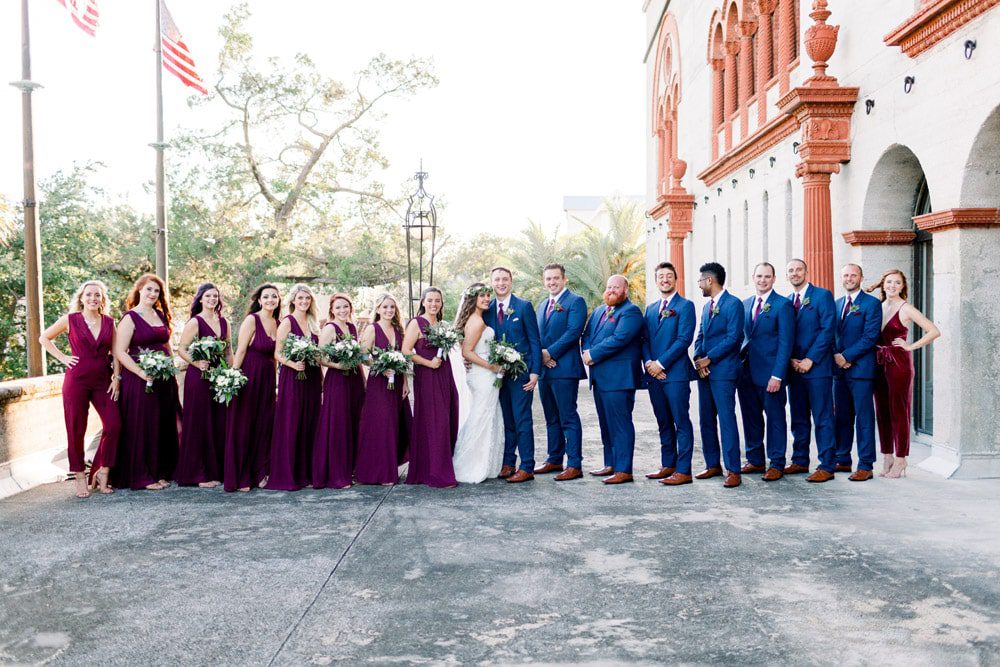
Tara and bridal party outside The Lightner Museum

Tara and her bridal party perfectly coordinated with the exterior of the Lightner Museum. Photo: Mariette G. Photography

III. MEET WITH YOUR OFFICIANT

This is a meaningful moment to start shaping your ceremony.

You’ll have the chance to talk through the structure, timing, and any personal elements you want to include, whether that’s written vows, readings, or traditions that feel important to you.

It’s easy to focus most of your energy on the reception, but your ceremony is the heart of the day. Taking the time to plan it thoughtfully now helps it feel more intentional and personal when the moment arrives.

III. Plan Your Cake or Dessert Experience

Around this time, you can begin making decisions about your cake or dessert.

This often includes scheduling tastings, finalizing your design, and thinking through how dessert fits into the flow of your evening. Whether you choose a traditional cake, a dessert display, or something more unexpected, this is a chance to reflect your style in a way your guests will remember.

In a setting like the Lightner Museum, presentation can become part of the overall experience. A well-placed cake or display can complement the space and add to the visual impact of the room.

Jacqueline and Mark's wedding cake

Jacquelin and Mark’s stunning cake by Sweet Wedding Cake Designs on the mezzanine at the Lightner Museum. | Photo: WOJ Weddings

IV. Plan Transportation and Your Rehearsal Dinner

If your guests or wedding party will need transportation between locations, this is the time to start making those arrangements.

Even if transportation isn’t necessary, it’s worth thinking through how everyone will move throughout the day so there are no surprises later on.

You’ll also want to begin planning your rehearsal dinner. If you have a specific location or style in mind, booking early gives you more flexibility, especially in a busy destination like St. Augustine, where popular spots can fill up quickly.


4 to 6 Months Out: Focusing on Guest Experience and Final Details

At this stage, your wedding starts to come to life in a way that others can see and feel.

Your guests are making plans, your design is becoming more defined, and many of the details you’ve been thinking about start turning into real, tangible pieces. This is where everything begins to feel cohesive.

I. Send Your Invitations

Now it’s time to officially invite your guests.

Your timing here should give people enough space to RSVP, plan travel, and understand the flow of your wedding weekend, without pushing responses too close to your final deadlines.

Before sending, make sure your wedding website is fully updated with accommodations, timing, and any additional events. This allows your invitations to stay clean and intentional, while still giving guests access to everything they need.

If you’re hosting a destination wedding in St. Augustine, this step is especially important. Once invitations arrive, the weekend starts to feel real, and your guests will begin finalizing travel and accommodations soon after.

Annie and Justin's wedding invites

Annie and Justin’s detail shots from their wedding, including their invitations. | Photo: Coastal Chic Studios

II. Book Your Honeymoon

If you’re planning to travel shortly after your wedding, this is a good time to finalize your honeymoon.

Booking now gives you more flexibility with flights, accommodations, and overall experience. It also keeps this decision from getting pushed into the final weeks, when your focus will be on wedding details.

III. Finalize Attire Details and Accessories

With your main attire selected, you can now focus on the finishing touches.

Shoes, jewelry, veils, ties, and other accessories are often the details that pull everything together. Taking care of them now helps your final fittings go more smoothly and ensures nothing feels rushed at the last minute.

III. Plan Welcome Events and Guest Activities

If you’re hosting additional events, such as a welcome gathering or a post-wedding brunch, this is the time to start solidifying those plans.

Not every wedding needs a full weekend of events, but it’s worth thinking about how you want your guests to experience the time surrounding your wedding.

For couples getting married at the Lightner Museum, this often comes together naturally. With so much nearby in downtown St. Augustine, your wedding can easily become a full weekend experience without requiring complicated logistics.

III. Start Planning Signage and Personal Details

This is when many of your most personal details begin to take shape.

From your seating chart and welcome signage to bar menus, ceremony programs, and place cards, these pieces do more than decorate the space; they help guide your guests and create a sense of flow throughout the day.

Starting early gives you time to think through both design and functionality. How will guests find their seats? Where will key moments happen? What information do they need, and when?

At a venue like the Lightner Museum, these details can feel especially impactful. Thoughtfully designed elements can complement the historic setting, enhance the guest experience, and create a cohesive feel throughout the event.

Jordan and Joseph's seating chart

Joseph and Jordan’s seating chart in Cocktail Hour in the Grand Lobby of the Lightner Museum. | Photo: Emily Kicsak Photo


2 to 3 Months Out: Solidifying Details and Confirming Plans

With your invitations sent and most of your big decisions made, this is the time to focus on confirming details and refining the experience for your guests.

I. FINALIZE MENU AND BAR DETAILS

Food and beverage decisions should become more concrete during this stage. If you haven’t had your menu tasting yet, this is the perfect window to schedule it with your selected caterer.

For your bar, the Lightner Museum hosts bar tastings about three months before your wedding at our sister venue, The Treasury on the Plaza. This is your chance to sample package options (Silver, Gold, or Platinum) and even craft specialty cocktails or mocktails that reflect your style.

Confirming these details early helps ensure the flow of your reception feels seamless. Guest counts, service style, and drink selections all affect timing, staffing, and overall experience, so having these conversations now sets you up for a smooth day-of celebration.

Bar at Madeline and Matthew's wedding

Madeline and Matthew’s bar setup on the mezzanine of the Lightner Museum. | Photo: WOJ Weddings

II. Discuss Floor Plan, Timeline, and Rentals

Around this stage, it’s time to start talking through the details of your day with your coordinator. Your floor plan, timeline, and rental needs are all interconnected, and understanding how they affect one another now will make final decisions much easier later.

For couples planning at the Lightner Museum, these conversations are especially important. The layout and flow of guests through the historic space play a big role in creating a seamless experience, and your coordinator can help translate your vision into practical logistics that work beautifully in the museum’s unique environment.

II. Purchase Wedding Rings

Wedding bands are one detail that’s easy to leave until the last minute, but this is the ideal time to make a decision.

Whether you’re considering custom designs, engraving, or resizing, ordering now ensures you won’t be rushed as the wedding day approaches. Completing this step at the two- to three-month mark takes one major item off your planning list and gives you peace of mind.

III. Order Favors and Wedding Party Gifts

By this stage, your overall design and budget are usually settled, making it easier to choose thoughtful favors and gifts.

The best options feel personal and meaningful without being excessive, complementing your celebration in a way that feels elegant and intentional. Timing these purchases now also gives you plenty of room for personalization or last-minute adjustments.

IV. Schedule Alterations and Beauty Trials

Final fittings and your beauty trial should happen early enough to allow any adjustments.

Bring along the shoes and accessories you plan to wear, and approach these appointments as part of your overall preparation rather than isolated tasks. Having a clear picture of your look and fit at this stage helps minimize surprises in the final weeks before your wedding.

Caroline's shoes

Caroline’s shoes gave a beautiful pop of blue on her wedding day. | Photo: We are the Bowsers


2 to 4 Weeks Out: Tie Up the Loose Ends

You’re almost there. At this point, the big decisions are behind you. Now it’s about making sure every piece is confirmed, organized, and handed off so the final days feel calm instead of chaotic.

I. Confirm Vendors and Final Counts

Each vendor should receive your most current timeline, guest counts, floor plan, and delivery instructions. This is often handled by your wedding coordinator, but they may need your input to ensure everyone is on the same page.

This step matters a little more at a venue like the Lightner Museum, where multiple event spaces, unique guest flow, and specific load-in logistics mean your vendors need precise information to set up smoothly. A quick confirmation call or email now can prevent a lot of confusion on a busy wedding morning.

II. APPLY FOR YOUR MARRIAGE LICENSE

If you haven’t done this yet, now is the time. In Florida, requirements vary slightly depending on residency, so it’s worth double-checking the specifics with your local county clerk’s office. The license is valid for 60 days once issued, so timing it within this window usually works well for most couples.

II. Organize Final Payments and Gratuities

Put together a clear list of what’s due, when, and who’s responsible for handling it. If your coordinator is managing distributions on your behalf–which many couples find helpful–make sure they have everything they need well before the wedding weekend begins. The goal is for no one to be thinking about payments once the celebration starts.

III. Finalize Your Seating Chart and Printed Materials

Once your RSVPs are settled, lock in your seating chart and any printed pieces tied to attendance, including escort cards, place cards, and menus. Aim to have everything finalized at least three weeks prior to the wedding so there’s room for any small last-minute adjustments.

Kelly and Mackenzie's head table

Kelly and Mackenzie’s head table during their reception. | Photo: Angelita Esparar


Ready to see the spaces in person? Schedule a tour of the Lightner Museum and we’ll walk you through the rooms, the flow, and what your wedding day could actually look like here.


1 Week Out Through Your Wedding Day!

This is the week to let go, in the best possible way.

I. Hand Off the Logistics

Your coordinator and the Lightner’s venue team should be the ones fielding questions now, not you.

The museum environment comes with its own set of considerations, vendor access points, setup sequencing across multiple spaces, and care for the historic building itself, and the team is well-practiced at managing all of it. Make sure your coordinator has the final timeline, vendor contacts, and payment plan so the handoff is clean and complete.

II. Rehearsal and Welcome Events

Whether you’re hosting a rehearsal dinner, a casual welcome gathering, or both, keep the focus simple. These are the moments to gather the people closest to you before the pace of the wedding day takes over.

The Lightner’s location in the heart of downtown St. Augustine makes this easy to enjoy these events while keeping everyone close for the main celebration. Walkable restaurants, historic courtyards, and the energy of the city are all right there, giving your guests a natural introduction to the weekend ahead.

III. Celebrate and Stay Present

When your wedding day arrives, your only job is to be in it.

Plan your morning transition in advance. Many couples get ready at a nearby location before arriving at the Lightner, since preparation areas have a specific access schedule. The Plaza Suite is a beautiful option if you’re looking for a dedicated getting-ready space close by.

Beyond that, trust the process you’ve built. Every vendor confirmation, every timeline conversation, every detail you’ve refined over the past months–it all exists so that today you don’t have to manage anything. If something small doesn’t go exactly as planned, let your coordinator handle it. Your only real task is to be present for the moments you’ll want to remember.

The historic venue, the people you love, the celebration you’ve worked so hard to create–it’s all right there waiting for you.

Emily and Matt on their wedding day

Emily and Matthew share a sweet private moment on their wedding day. | Photo: Lena Christine Photo


You’ve Got This. Really!

If this timeline did its job, wedding planning should feel a little less overwhelming right now.

You’ve walked through every phase, from the foundational decisions that shape everything else, to the vendor conversations, the design details, the guest-facing logistics, and the final confirmations that bring it all home. Taken step by step, it’s manageable. More than that, it can actually be enjoyable.

A few things worth carrying with you as you move forward:

  • Start with budget and guest count. Everything else flows from there.
  • Book your venue and high-priority vendors earlier than feels necessary, especially in a destination like St. Augustine.
  • Let your design evolve naturally rather than trying to finalize everything at once.
  • When the final weeks arrive, trust the team you’ve built and focus on being present.

The couples who enjoy their planning process most aren’t the ones with unlimited budgets or the fewest decisions to make. They’re the ones who gave themselves the right structure from the beginning.

The Lightner Museum is designed to be part of that process; a venue with the architectural character, practical layout, and experienced team to support your wedding from the first tour through the final send-off. Come see it for yourself and let’s start the conversation.


Share This Post